Blog
How Modular Homes are Changing the Face of Malaysian Neighborhoods 🏘️😮 | RumahHQ

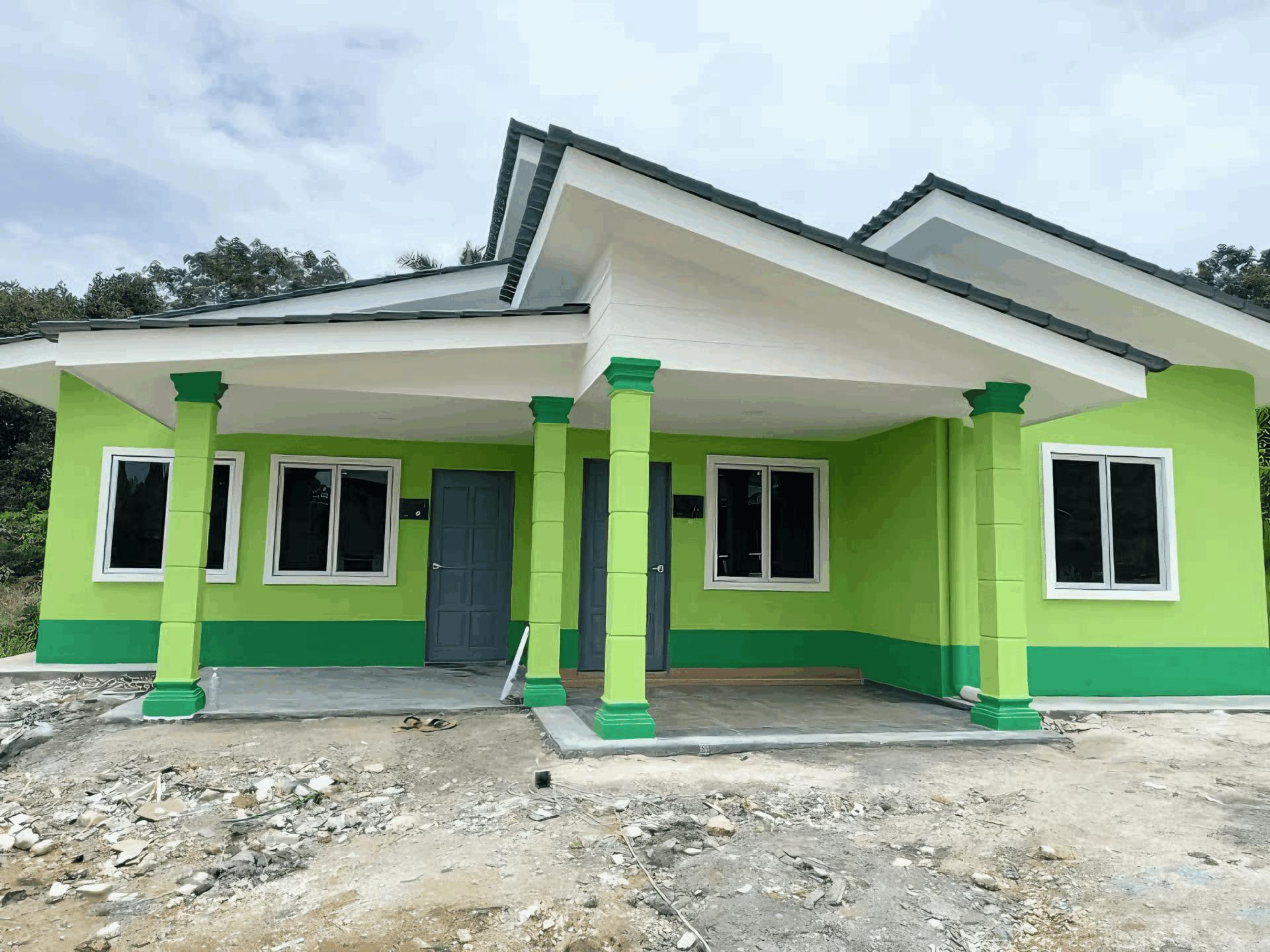

Ever strolled through a neighborhood and felt that familiar tinge of sameness? You know, rows of identical houses lined up like disciplined soldiers? Well, what if we told you that a refreshing change is rolling into Malaysian communities—one that’s colorful, innovative, and oh-so-functional? Yep, we’re talking about modular homes! These nifty structures are changing the game when it comes to how we think about residential living in Malaysia. From their eco-friendly designs to flexible layouts, modular homes are not just a trend; they’re reshaping the blueprint of our neighborhoods and offering a glimpse into a vibrant, sustainable future. So, let’s dive into how these homes are revolutionizing our landscapes, one prefabricated unit at a time! 🏡✨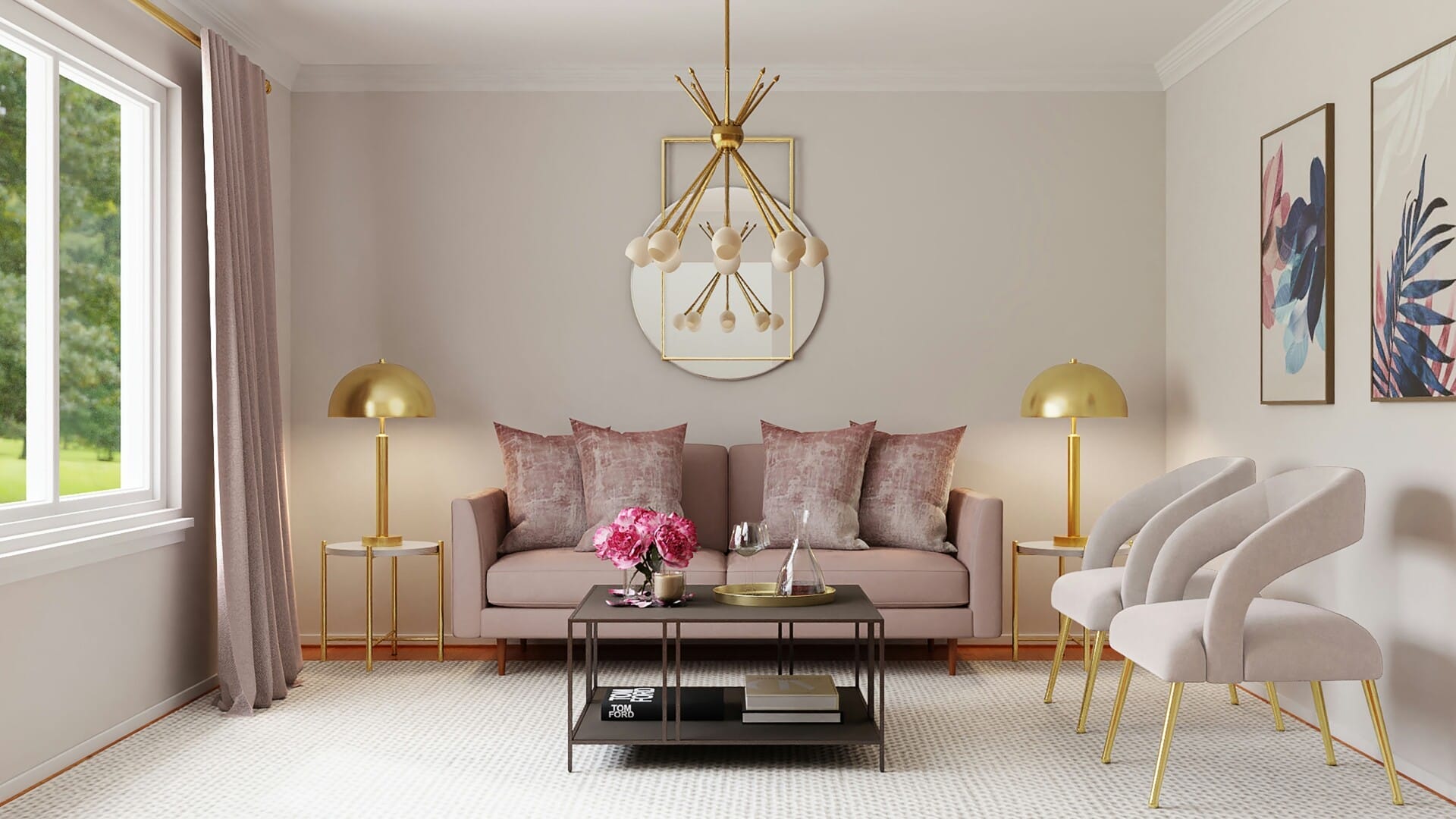
The Rise of Modular Homes in Malaysias Housing Landscape
The emergence of modular homes is redefining the way Malaysians view housing, introducing a fresh alternative that blends efficiency with modern design. Unlike traditional construction methods that can take months or even years, modular homes can be assembled in a fraction of the time, often allowing families to move in within weeks. This speed is particularly appealing in urban areas where housing demands are soaring and timelines are tight. With advanced technologies in prefabrication, these homes are not only quick to erect but also boast durable, sustainable materials that are well-suited for Malaysia’s climate.
Another exciting aspect of modular homes is their customizability. Buyers now have the power to decide on various elements of their homes, from floor plans to finishes. This flexibility means that modular homes can cater to diverse lifestyles, whether you’re a young professional seeking a sleek, minimalist space, or a family wanting a cozy abode with ample room for kids. The architectural designs can be as vibrant and colorful as the Malaysian culture itself, offering aesthetics that can enhance community identity. Imagine neighborhoods filled with charming, unique modular homes, each reflecting the personality of its residents!
Moreover, investing in modular homes can also lead to significant cost savings. Traditional home building involves hefty labor costs, delays, and unexpected expenses, which can strain budgets. In contrast, modular homes often come with a fixed price and predictable costs due to the streamlined process. Here’s a quick comparison of key aspects:
| Aspect | Traditional Homes | Modular Homes |
|---|---|---|
| Construction Time | Months to Years | Weeks |
| Customizability | Limited | High |
| Cost | Variable | Fixed Pricing |
| Sustainability | Varies | High |
As more Malaysians become aware of the practicality and advantages of modular homes, it’s clear that this innovative housing solution is here to stay. With a promise of quick assembly, aesthetic flexibility, and cost-effective living, modular homes are not just an emerging trend; they’re shaping a modern housing landscape that embodies the spirit and needs of contemporary Malaysia.
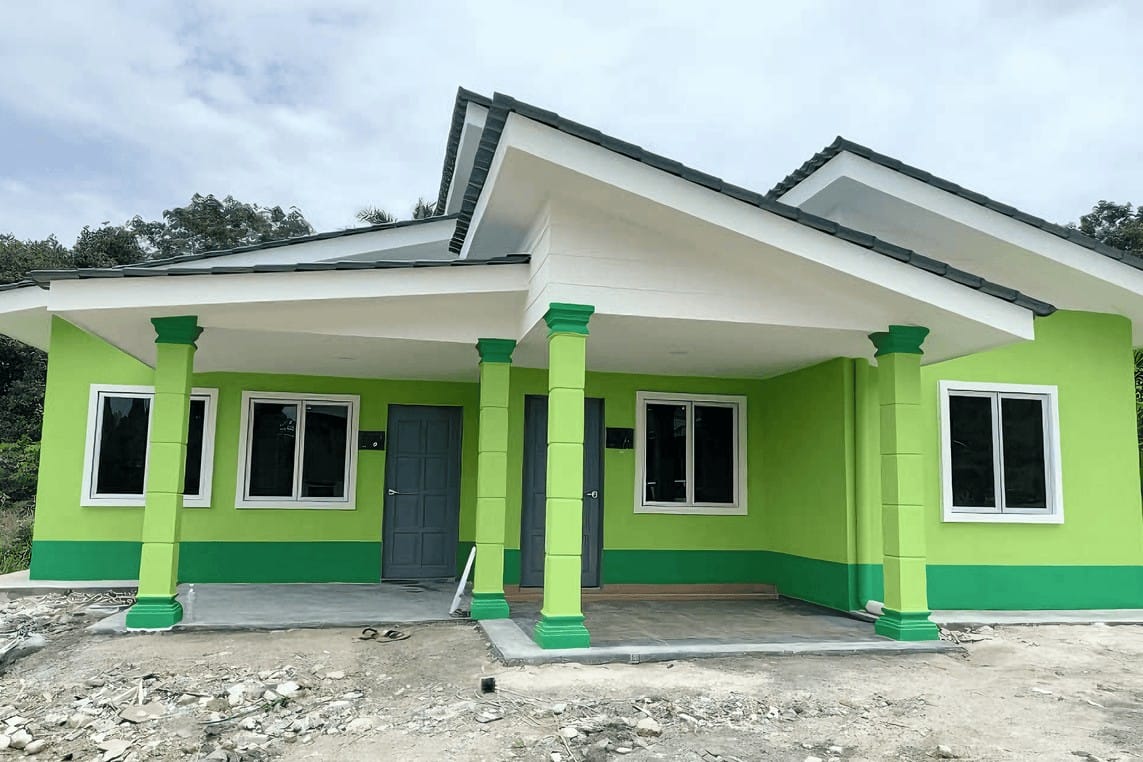
Innovative Design Features Transforming Living Spaces
In today’s fast-paced world, sustainable living is at the forefront of many Malaysians’ minds, and modular homes are stepping up to meet this demand. These homes are not just structures; they’re a canvas for innovation and creativity. Designed to be flexible and efficient, modular homes allow residents to personalize their living spaces according to their unique lifestyles. Imagine having the ability to rearrange your home as you see fit, whether you want to create a cozy reading nook or a lively family area. With modular designs, space transformation becomes second nature!
On top of flexibility, the use of eco-friendly materials in modular homes significantly reduces the environmental impact and energy consumption. This smart approach to home construction incorporates elements like recyclable panels, solar energy solutions, and rainwater harvesting systems. These features not only contribute to the wellbeing of our planet but also enhance the quality of life for residents:
- Reduced construction waste: As parts are built off-site, less debris is produced.
- Energy-efficient layouts: Homes are designed with natural light and ventilation in mind.
- Community-centric designs: Encouraging social interactions with shared spaces.
To further illustrate how modular homes can redefine not just individual living spaces but entire communities, consider the following table of key benefits:
| Feature | Benefit |
|---|---|
| Scalability | Easy expansion for growing families. |
| Speed of Construction | Homes can be built in a fraction of the time compared to traditional methods. |
| Cost-Effectiveness | Reduced labor and material costs mean lower prices for buyers. |
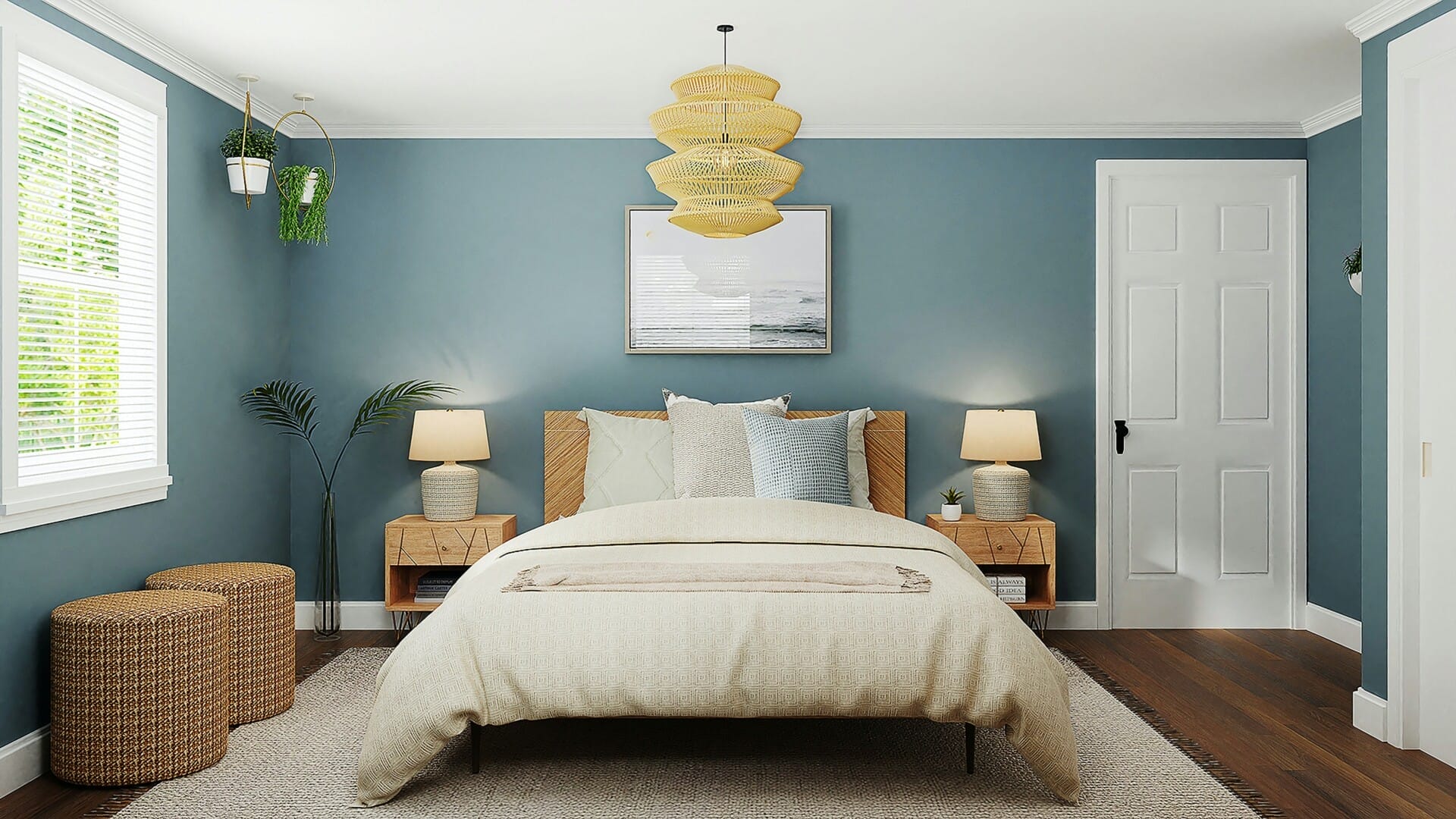
Sustainability Practices Structured into Modular Home Production
Modular homes are revolutionizing the construction landscape in Malaysia, not just for their innovative designs, but also for their embedded sustainability practices. By utilizing pre-fabricated materials, builders can significantly reduce waste during construction. This process leads to a more efficient use of resources and minimizes the carbon footprint associated with traditional on-site home building. The modular approach allows for precise calculations and planning, ensuring that every piece of material is used efficiently, thus aligning perfectly with eco-friendly objectives.
Moreover, many modular home manufacturers are now focusing on integrating renewable energy solutions into their designs. Solar panels, energy-efficient insulation, and water conservation systems are becoming standard features in these homes. Home buyers can expect to find modular options equipped with:
- Solar Energy Systems: Generate their own electricity directly from sunlight.
- Rainwater Harvesting: Systems that collect rainwater for irrigation and non-potable uses.
- Eco-friendly Materials: Construction using recycled or sustainable sourced materials.
Additionally, the community aspect of modular housing fosters a more sustainable lifestyle. These neighborhoods are often designed with an emphasis on walkability and green spaces, encouraging residents to adopt eco-friendly habits. The layout promotes interaction among residents and supports local biodiversity. By blending seamlessly into the urban environment, modular homes not only address the need for housing but also enhance the overall ecological footprint of Malaysian neighborhoods. Here’s a quick look at how these neighborhoods contribute to sustainable living:
| Feature | Benefit |
|---|---|
| Community Gardens | Encourages local food production and biodiversity. |
| Shared Public Spaces | Fosters community engagement and reduces reliance on cars. |
| Green Building Certifications | Assures buyers of environmental standards and quality. |
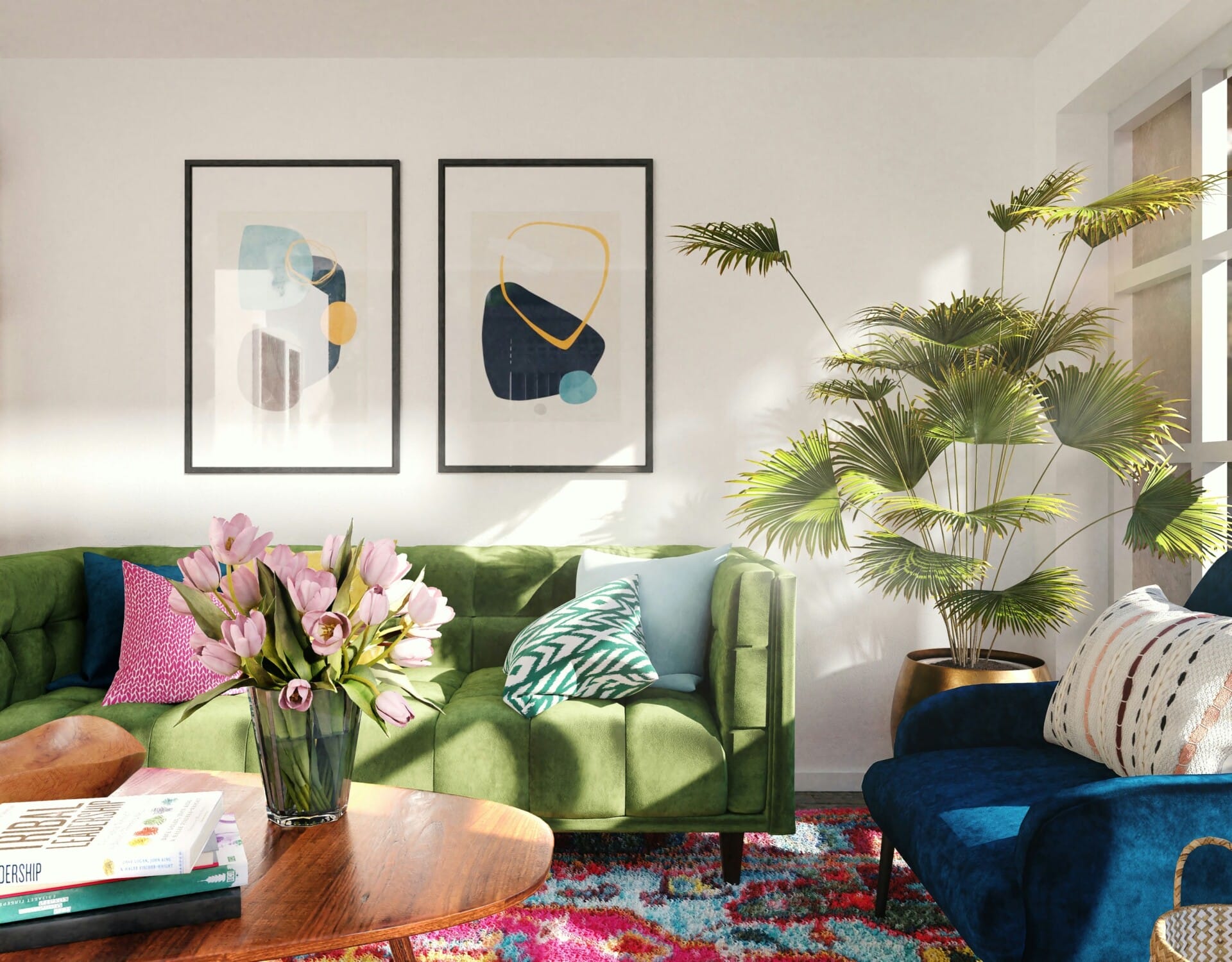
Affordability and Accessibility: Bridging the Housing Gap
The rise of modular homes is not just a trend; it’s a revolution in how we think about housing in Malaysia. With the skyrocketing costs of traditional construction and real estate, modular homes are stepping in as a cost-effective solution. These homes can be built faster than conventional houses, which means families don’t have to wait long before they can move in. Plus, the use of prefabricated materials reduces waste and lowers overall expenses, making it an eco-friendly choice too!
Accessibility is another key factor that modular homes address. With their adaptability, these homes can be placed in various settings, from urban areas to rural landscapes. Here are some ways they enhance accessibility:
- Flexible design: Can be customized to fit any lot size, making good use of available space.
- Targeted affordability: Often priced lower than traditional homes, they cater to a broader range of income levels.
- Community integration: Promote the development of affordable neighborhoods, fostering a sense of community.
Moreover, with increasing government interest in the housing crisis, there’s a strong push toward supporting modular development projects. These initiatives can provide substantial incentives for builders and buyers alike. Here’s a quick look at some benefits:
| Benefit | Description |
|---|---|
| Quick Construction | Homes can be erected in weeks, not months. |
| Lower Costs | Save up to 20% compared to traditional housing. |
| Flexible Financing | Options available for first-time homebuyers. |
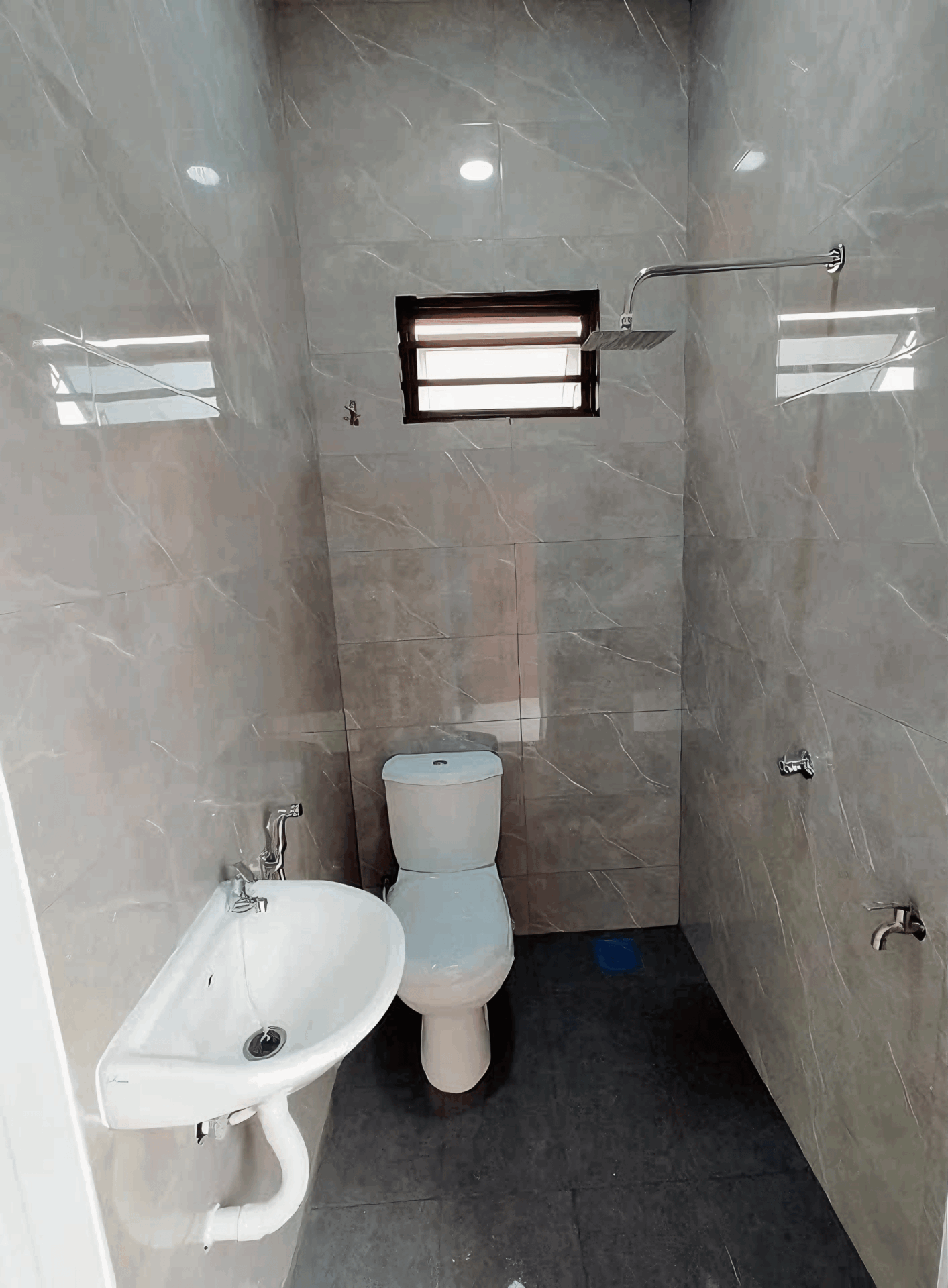
In the vibrant tapestry of Malaysian neighborhoods, modular homes are transforming the traditional fabric of community living. These innovative dwellings not only redefine architectural norms but also foster a unique sense of belonging among residents. Their inherent flexibility allows communities to integrate diverse social groups, bridging gaps between cultures and age demographics. People are drawn together through a shared experience, promoting interaction and collaboration in ways that conventional homes often cannot.
One of the standout features of modular homes is their adaptability to local contexts. From eco-friendly designs to culturally relevant aesthetics, these homes can reflect the rich heritage of Malaysia while catering to modern needs. This has led to some exciting benefits within communities, including:
- Increased Accessibility: Modular homes can be constructed quickly and efficiently, ensuring families have a place to call home sooner.
- Enhanced Community Spaces: The design encourages communal areas where neighbors can gather, fostering a culture of togetherness.
- Eco-Conscious Living: Many modular homes are designed with sustainability in mind, appealing to the environmentally-aware citizens of today.
Moreover, the impact on neighborhood dynamics extends beyond mere aesthetics and structure. These homes often serve as a catalyst for local businesses and initiatives, encouraging growth and investment in surrounding areas. Here’s a simple breakdown of how modular homes contribute to economic vitality:
| Impact Area | Contribution |
|---|---|
| Local Employment | Job creation during construction and maintenance |
| Small Businesses | Increased foot traffic to cafes, shops, and services |
| Property Value | Rise in property values due to enhanced neighborhood appeal |
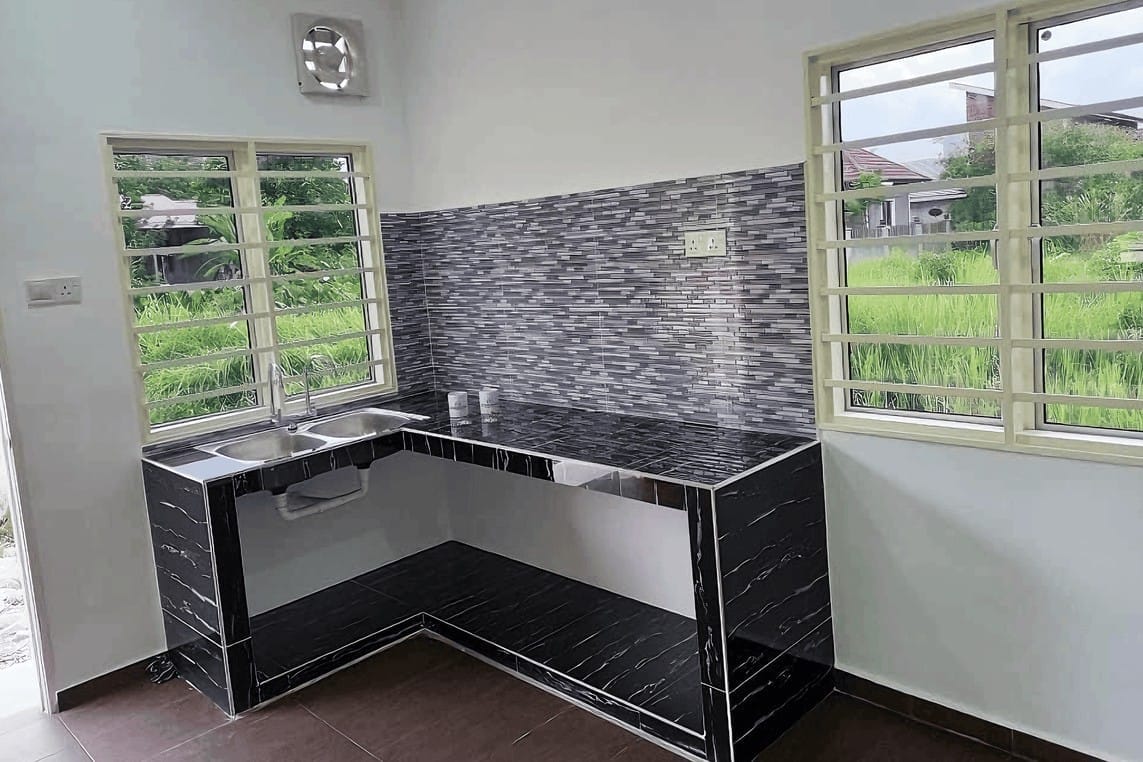
Enhancing Infrastructure: The Role of Modular Housing in Urban Development
In the ever-evolving landscape of urban development, modular housing presents an innovative solution that’s shaking things up in Malaysian neighborhoods. These prefabricated structures are revolutionizing the way we think about residential spaces, offering flexibility and efficiency that traditional building methods often can’t match. By utilizing modern technology and design principles, modular homes can be constructed rapidly, enabling cities to meet the soaring demand for housing without sacrificing quality or aesthetics. Think about it:
- Speedy Construction: Homes can be built in a fraction of the time, reducing waiting periods for families.
- Eco-friendly Materials: Often constructed using sustainable materials, which helps reduce environmental impact.
- Customizable Designs: Homebuyers can choose layouts and finishes that suit their style and needs.
Moreover, the adaptability of modular homes allows them to be strategically placed in urban areas facing housing shortages. These homes can be integrated into existing neighborhoods or set up as new developments with minimal disruption. Whether it’s a sleek urban apartment or a cozy suburban family home, modular housing caters to diverse lifestyles and preferences. As cities grapple with overpopulation and limited land, modular solutions can provide ample living spaces while fostering a sense of community and modernity.
| Benefits of Modular Housing | Impact on Urban Development |
|---|---|
| Cost-Effective | Reduces construction costs, allowing for affordable housing options. |
| Quick Setup | Fast tracking of urban development projects and increased housing availability. |
| Resilience | Designed to withstand various environmental challenges, ensuring safety. |
Implementing modular housing could also stimulate local economies by creating jobs in the construction and manufacturing sectors. As these neighborhoods transform, they can blend spatial efficiency with aesthetic appeal, creating vibrant communities where people want to live, work, and play. Embracing this modern approach to residential living reflects Malaysia’s potential to innovate urban spaces, making room for more diverse and inclusive communities. Each modular home adds not just a structure but a heartbeat to the neighborhood—it’s about building not just houses, but homes filled with the warmth of community.
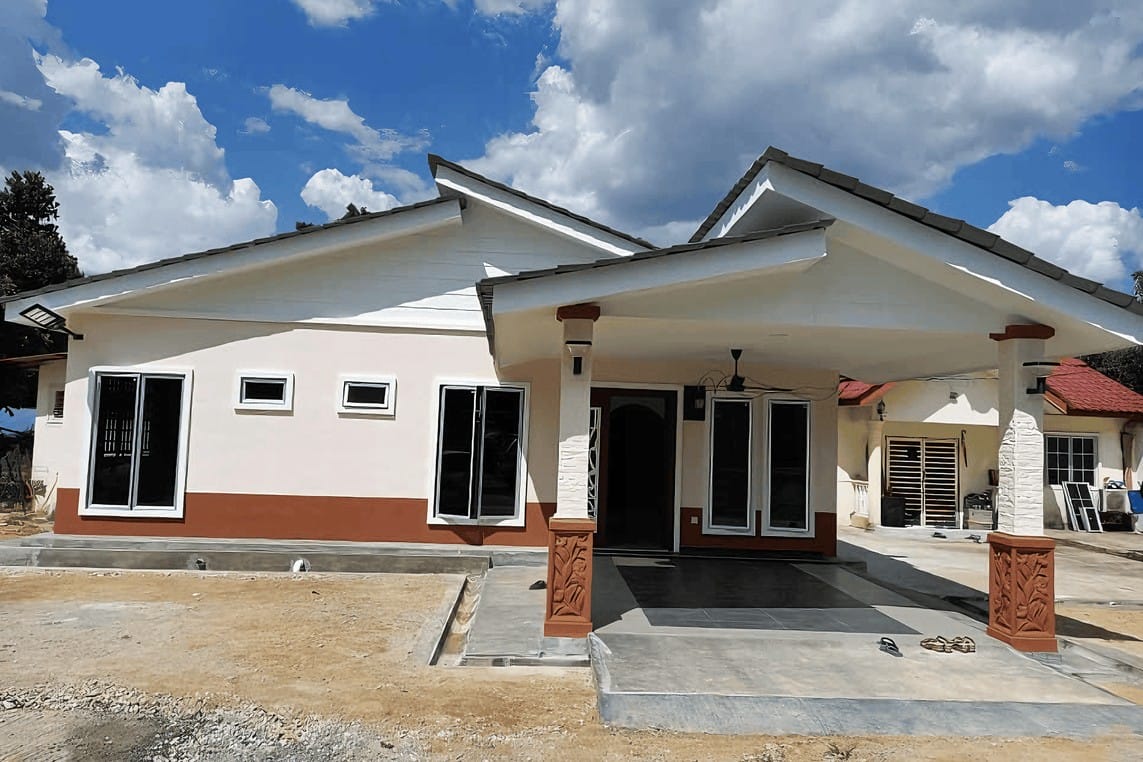
Policy Perspectives: Supporting Modular Home Adoption in Malaysia
The rise of modular homes in Malaysia is not just a trend; it’s a transformative movement poised to reshape our living environments. With their efficient construction methods and eco-friendly designs, these homes offer a viable solution to the growing housing demand in urban areas. Supporting policies that facilitate the adoption of modular homes can significantly enhance the efficiency of new housing projects, making them not only affordable but also environmentally sustainable.
To encourage this promising shift, policymakers need to focus on several key areas:
- Incentives for Builders: Introduce tax breaks and subsidies for developers who choose modular construction methods.
- Streamlined Regulations: Simplify the approval processes for modular designs to expedite project timelines.
- Infrastructure Development: Invest in infrastructure that supports modular neighborhoods, including public transportation and communal spaces.
Additionally, collaboration is essential. By fostering partnerships between the government, private sector, and local communities, we can create an ecosystem that supports the growth of modular housing. A great step in this direction could be establishing special task forces that focus on innovative housing solutions, as outlined in the table below:
| Task Force Focus | Goals |
|---|---|
| Design & Innovation | Encourage creative modular designs that suit local culture. |
| Financial Support | Find funding for families wanting to invest in modular homes. |
| Community Engagement | Host workshops to educate the public on modular living. |
Future Prospects: The Long-term Impact of Modular Living on Malaysian Society
The rise of modular living in Malaysia is not just about new homes; it has the potential to fundamentally reshape how communities are structured and interact. Innovative designs promote sustainability, leading to eco-friendly neighborhoods where resources are shared and preserved. As more modular homes pop up, we could witness a shift towards community-focused living, where residents prioritize collaboration and connectivity. This could ultimately result in a tighter social fabric, making neighborhoods feel more like an extended family rather than mere addresses.
Moreover, the affordability of modular homes offers an accessible path to homeownership for many Malaysians who previously found it challenging. With lower construction costs and shorter build times, potential homeowners can secure a space without compromising their finances. This democratization of housing can contribute to a more balanced socio-economic landscape, allowing individuals from various backgrounds to live in the same neighborhoods. As wealth distribution becomes more equitable, we may see diverse communities flourish, promoting greater cultural exchange and understanding.
| Potential Benefits | Long-term Outcomes |
|---|---|
| Enhanced Sustainability | Lower carbon footprint across communities |
| Increased Affordability | Broader access to housing for all income levels |
| Stronger Community Bonds | Higher levels of social engagement and support |
As we look ahead, the transformation caused by modular living could influence policies and city planning in Malaysia. It may inspire government initiatives aimed at promoting green living and supporting new homeowners through various incentives. These changes could also offer a robust framework for addressing persistent social issues like urban sprawl and traffic congestion. All in all, the long-term impact of modular homes isn’t just a homeownership revolution; it’s a chance to foster resilient, thriving communities that stand the test of time.
To Conclude
As we wrap up our exploration of how modular homes are reshaping Malaysian neighborhoods, it’s clear that this innovative approach to housing offers much more than just a trendy living solution. With their quick construction, affordability, and potential for sustainability, modular homes are not just about building structures; they’re about creating vibrant communities where families can thrive.
Imagine walking through your neighborhood, surrounded by uniquely designed homes that reflect the spirit and culture of Malaysia while maintaining eco-friendly standards. That’s the future modular homes promise—an exciting blend of tradition and modernity that can elevate our living spaces.
So, whether you’re a future homeowner considering your options, a developer looking at new trends, or simply someone curious about the evolution of Malaysian architecture, modular homes seem to be paving the way for a fresh start. Let’s embrace this change and imagine what our neighborhoods could look like—a future where innovation meets community, right here in Malaysia!
Stay tuned for more updates on the latest housing trends, and maybe even find inspiration for your next home sweet home! 🏡✨
kontraktor rumah
bina rumah
pinjaman lppsa
pengeluaran kwsp
spesifikasi rumah
rumah batu-bata
pelan rumah
rekabentuk rumah
bina rumah atas tanah sendiri
kontraktor rumah selangor
rumah banglo
Source link